
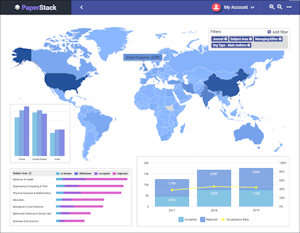
The business of scholarly publishing is increasingly data-driven. The first steps towards data analytics were taken when the digitization of print journals began to allow much more information about their readership and use to be captured. But more recent trends in the industry – the rise of open access, increasingly strict data protection laws, and the wide availability of AI tools – mean that data insights are now an essential for every journals publisher.
Data analysis is now so fundamental that if we were try to list out all its possible uses in scholarly publishing we’d be here all day. We can, however, note some key areas:
Targeting sales efforts: The sheer size of the market in today’s global economy means it’s vital to be able to identify the hottest prospects for concentrating sales efforts, as well as possibilities for upselling. What’s more, the same data that pinpoints those opportunities also gives hard evidence of demand for the product, which sales teams can use in their pitches.
Understanding customers: In a world of social media, we have higher expectations about the communications we receive. By understanding all the ways in which customers interact with their content, publishers can send out personalised marketing, based on their subject interests, demographics, and browsing habits.
Identifying at-risk customers: With ongoing squeezes on library budgets, it’s important to be able to identify institutions not getting good value for money in terms of usage/cost per download – then action can be taken to avoid losing these ‘at-risk’ customers before it’s too late.
Optimizing work flows: Data insights can support an understanding of the efficiency of the peer review process, help find bottlenecks and inefficiencies, and inform editorial decisions (e.g. by identifying trending research areas).
Ensuring diversity: Understanding and promoting geographical diversity of a journal’s authors and reviewers and of its readership go hand in hand – diverse authors and reviewers ensure content is relevant to a diverse readership, while increasing readership in non-traditional markets may attract new contributors.
Meeting legal and contractual requirements: two areas of particular importance here for scholarly publishers are tracking funder mandates for open access publishing, and verifying consent in order to comply with GDPR or other data protection laws.
So what do we think makes our MasterVision and PaperStack services stand out from the proliferation of analytics tools now on the market? In short, it’s about the ways in which we ensure the underlying data is in the right shape to make the insights from it meaningful – as we discussed in our March blog. This, together with 20 years of experience of supporting scholarly publishers and keeping up with industry standards and trends, has made us the first choice for many leading journals publishers. To find out more, please get in touch for a chat and a demo of our MasterVision and PaperStack services.

